
Engage Together (April)
Understanding Local Government
Sean Yamada
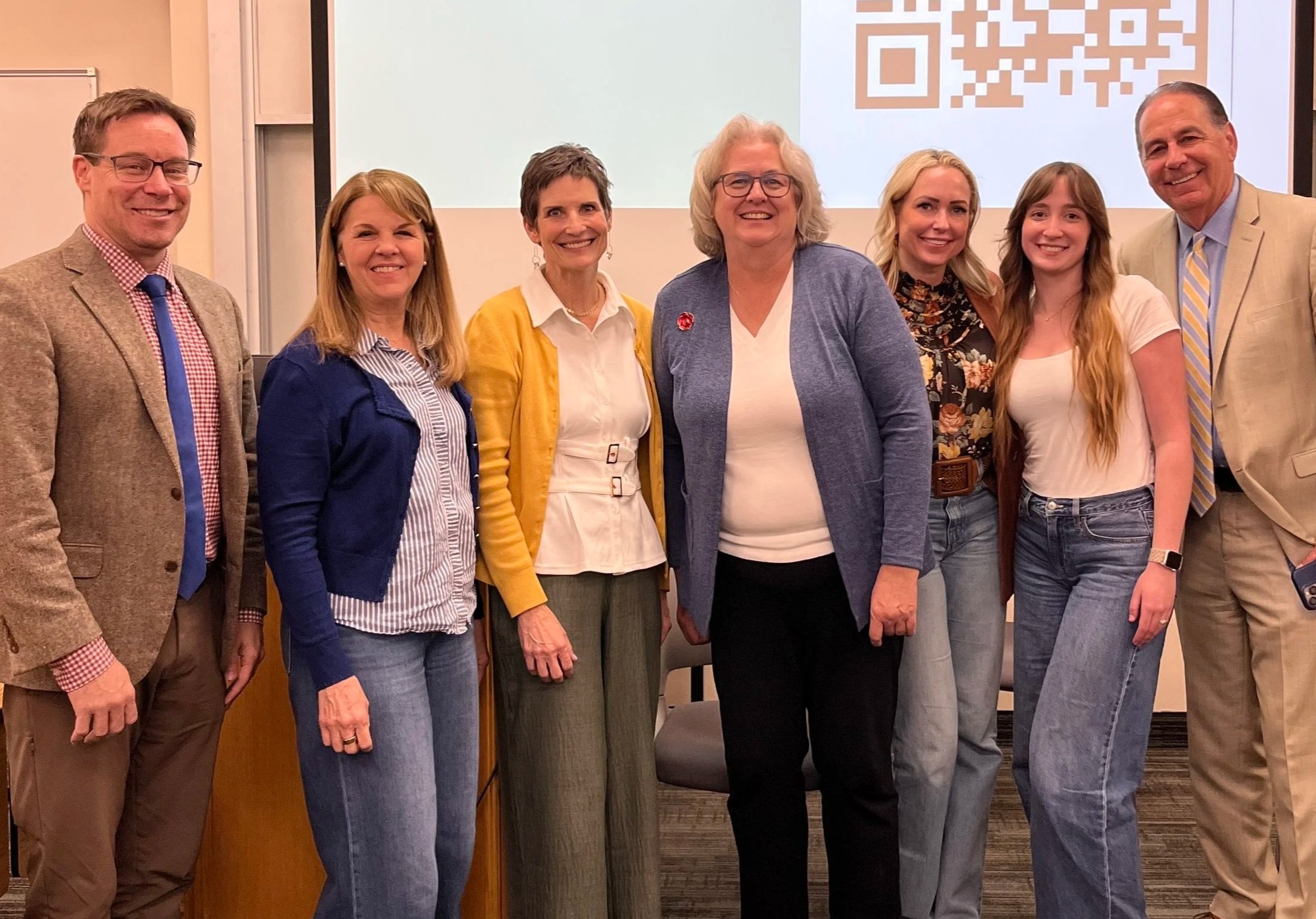
On Thursday, April 9th, the nonprofit Engage hosted the “Understanding Local Government” event at Brigham Young University campus, which featured a diverse panel of speakers from Provo and Orem’s local governments. The aim of the panel was to learn about the individual roles of our local government leaders, their priorities for our community, and the different ways in which everyday citizens can communicate and engage with them.
Understanding local government better begins by recognizing the slight differences in which our governments work. Current Provo mayor Marsha Judkins, who was the first to speak at the forum, explained how, unlike other parts of the county, Provo’s government is one of few cities to have both an executive and legislative branch. Mayor Judkins serves as the chief executive of the city, and she is in charge of managing 400+ city employees, directing municipal departments, and creating an annual budget proposal. On the other hand, Provo’s legislative branch, consisting of a seven person city council, is in charge of passing legislation, setting utility rates, and adopting a budget. While Provo’s administration operates differently from others, Mayor Judkins and her council have found that their system helps to avoid an authoritarian imbalance of power. “The way we run things creates some neat checks and balances that give us the opportunity for good communication and compromise, even if we don’t fully agree,” said Judkins.
Karen McCandless, Orem’s current mayor, spoke right after Judkins, explaining how Orem works differently. Instead of two separate branches, Orem has one city council consisting of 6 municipal employees and headed by the mayor. Together the board manages the duties of the city and brainstorms policies, while an appointed city manager implements these policies and puts their will into effect. Mayor McCandless appreciates being a part of the city council, saying “it’s where things are accomplished.”
The representatives from Provo’s local government all spoke determinedly towards building a safe, affordable, and welcoming community. Mayor Judkins explained how she wants to make Provo more open by bringing down the natural barriers that divide residents. Whether it's between “east and west, young and old, or students and long term residents,” Judkins wants to “close the gap and bring all residents in close proximity.” She is hoping to accomplish this by creating a common culture for Provo residents, like bringing back the Rooftop Concert series–a summertime music festival in downtown Provo that was held from 2010-2019. The mayor’s Chief Administrative Officer Scott Henderson, a long-time resident of Provo, has helped significantly in implementing Judkin’s policies. Henderson helped deliver significant funding towards Provo’s Covey Center for the Arts, and he prevented the Provo Peaks Ice Arena–a major asset in the upcoming 2034 Winter Olympic Games–from being bought out. While speaking, Henderson preached the importance of taking risks as a political leader.“Be bold and fight for what you believe in,” said Henderson, “No one ever got anything done by playing it safe.”
In Provo’s legislative branch, Council Chair Katrice MacKay works constantly towards making Provo an affordable community for all. According to her, the council’s current goal is enforcing that homes are occupied by full time residents rather than outside investors. These external parties, according to MacKay, buy out homes as business investments and drive up the prices, preventing those living in the local area from purchasing affordable housing. MacKay fights these corporate landlords constantly, and her efforts have resulted in a more accessible community for all.
Those representing Provo’s adjacent community Orem all spoke of creating a similar ideal of safety, accessibility, and support in their city. They spoke specifically on developing dependable infrastructure and balancing the needs of businesses and the environment in their policies. Mayor Karen McCandless has campaigned for better infrastructure of neighborhoods through the MyHometown initiative. The initiative aims to bring new life and energy to city neighborhoods by improving the quality and appearance of local housing, and to offer prosperous opportunities to a community’s families (MyHometown initiative). “If we want to give worth to every human being in this city,” said McCandless, “we have to make sure that all people of all ages and demographics are comfortable in their neighborhoods.”
Orem’s City Manager Brenn Bybee has greatly assisted McCandless in implementing the city’s vision of balanced infrastructure. Bybee’s list of accomplishments include building the Gold Star Families monument, a memorial for the families who lost loved ones in military combat; overviewing the construction of a 10 million gallon water tank; partnering with the Jazz to build an outdoor basketball court in Windsor park and helping to reimagine the city’s public library to make a better place for its patrons.
One of the main matters discussed at the “Understanding Local Government” event was how every day people can communicate better with their local government officials. Madisen McArthur, who was in charge of the event, shared how it is often difficult to get into contact with your local government, whether it be out of sheer nervousness, apathy, or an obliviousness towards where to start. In response, nearly all of the government officials present shared numerous ways in which the public can engage with them. “I’ll answer any text or email I get,” said Provo Mayor Judkins, “And I especially love when people visit with me face to face during my office hours.” Council Chair Katrice MacKay emphasized how valuable public input is for the effectiveness of any local government. “The majority of decisions we make are because of what citizens tell us.” The information needed to contact a local official can be found on the homepage of the city government’s website.
The aim of “Understanding Local Government” was to empower citizens with the information they need to become active and informed participants in democracy. No matter the demographic or political viewpoint, it is important that all citizens of our community are individually committed to civic engagement. Decisions are made and feats are accomplished when individuals speak up for the needs of their community. If we aim to gain a better understanding of our local government, not only will we be more informed in how to politically engage, but we will also grow closer as a community as we strive towards just democracy for all.